What to Expect at Your First Private Oncology Consultation
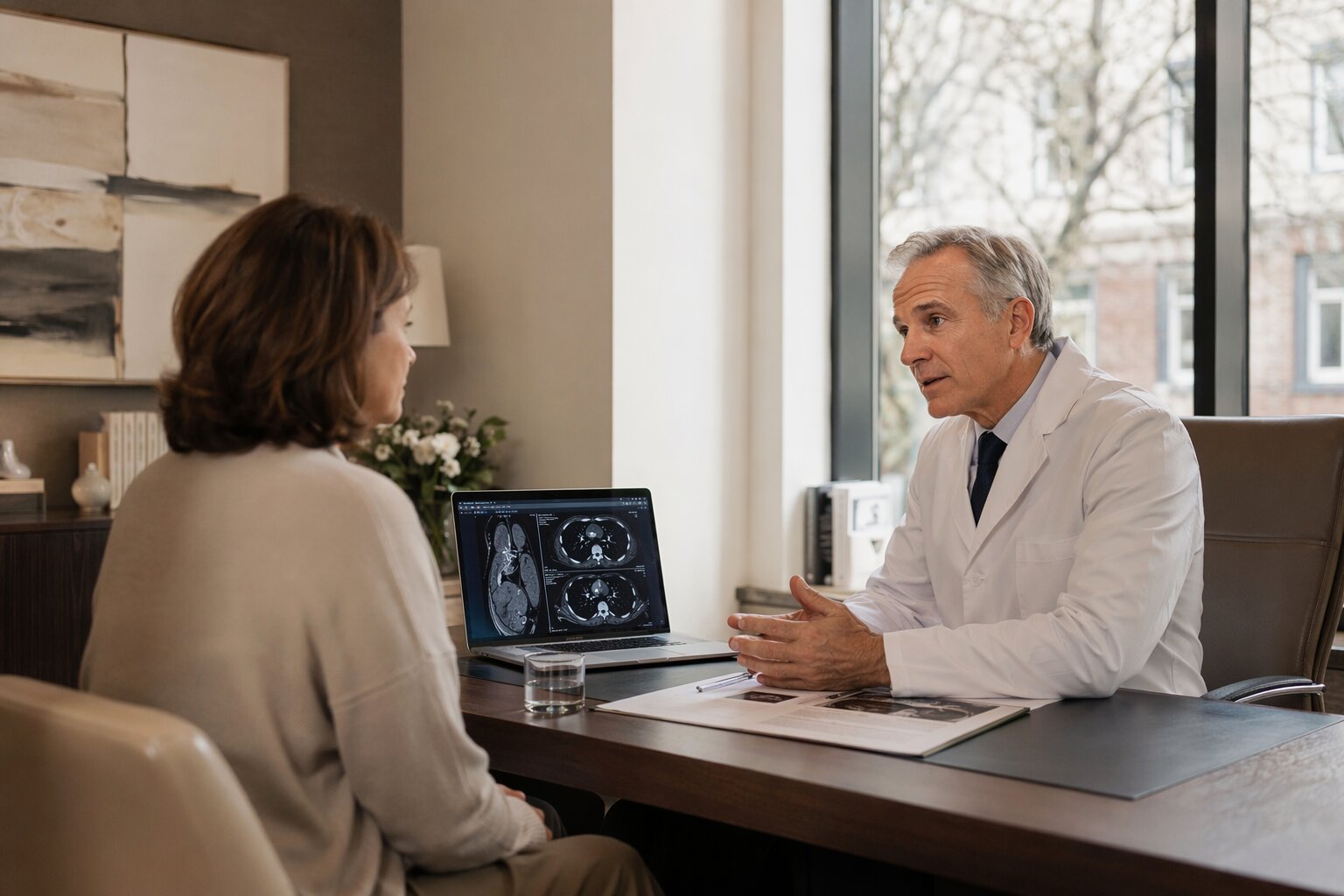
Receiving a referral to an oncologist, whether following a worrying test result, an inconclusive scan, or a confirmed diagnosis, marks a significant moment. For many people, the period between that referral and the actual appointment is filled with uncertainty and unanswered questions. Understanding what the first consultation actually involves can ease some of that anxiety and help you walk in feeling prepared rather than overwhelmed.
Private oncology consultations are designed to be thorough and unhurried. Unlike an appointment squeezed into a packed NHS schedule, a private setting typically allows the oncologist to spend considerable time with you, often an hour or more, reviewing your case in detail and talking through your options at a pace that suits you. The format follows a clear structure, and knowing that structure in advance means you can focus on listening and asking questions rather than trying to work out what is happening and why.
How a Private Oncology Consultation Differs from a Standard Referral
The most immediate difference a patient notices in private oncology care is time. NHS cancer pathways are carefully organized but operate under significant demand, which can affect how long each appointment runs and how quickly diagnostic steps are scheduled. A private consultation typically gives the oncologist the space to review your case without the constraints of a heavily booked clinic list, which often translates into a more detailed conversation.
Access to the oncologist's full attention also means that you are speaking with a senior specialist from the very first meeting. In some NHS settings, initial consultations may be conducted by a registrar or specialist nurse, with the consultant stepping in at a later stage. Private practice removes that layer, giving you direct access to the specialist whose name appears on your referral letter. For patients based in the U.K., seeing a private oncologist in London often means access to some of the country's leading cancer centres, many of which are clustered across central and north London and maintain close ties with major teaching hospitals.
Private oncologists also tend to have faster pathways to additional diagnostics. If the doctor wants a CT scan, an MRI, or a biopsy, those tests can often be arranged within days rather than weeks. That speed matters, not just emotionally but clinically, since earlier staging information allows for earlier treatment planning.
What to Bring and How to Prepare Before You Arrive
The single most valuable thing you can do before attending is to gather every piece of medical documentation related to your case. This includes pathology or biopsy reports, imaging scans (preferably on a CD or a digital transfer), blood test results, and any operative reports if you have had surgery. Your oncologist will want to review the original data rather than relying on summaries passed between departments.
A complete list of your current medications is equally important. This should cover prescription drugs, over-the-counter medications, vitamins, and any herbal supplements, including dosages. Some treatments interact with specific chemotherapy agents or targeted therapies, so an accurate picture of what you are already taking helps the oncologist plan safely from the start.
Your personal and family medical history is also relevant beyond the cancer itself. A history of heart disease, diabetes, or kidney problems can influence which treatments are considered appropriate. A family history of cancer, particularly involving close relatives or early-onset cases, may prompt the oncologist to recommend genetic testing, which can affect both your treatment and the monitoring recommendations for family members.
Bringing a trusted person with you is worth considering seriously. Patients often recall only a fraction of what is discussed during emotionally charged appointments. A partner, family member, or close friend can take notes, remember questions you might forget to ask, and help you process the conversation afterwards. Some people also find it helpful to write down their questions in advance, prioritizing the ones that matter most in case time runs short.
The Consultation Itself: Medical History, Examination, and Review of Evidence
The appointment typically begins with the oncologist taking a detailed medical history. This is not a box-ticking exercise. The doctor is building a picture of your health as a whole, including symptoms you may not have connected to your diagnosis, your energy levels, any unintentional weight loss, and how you have been managing day to day. Being specific and honest during this part of the consultation gives the oncologist better information to work with.
A physical examination usually follows. The exact scope depends on the type of cancer being investigated, but it commonly involves checking lymph nodes, assessing the abdomen, and examining any areas of concern. This examination provides information that scans and blood tests alone cannot, and it also helps the oncologist assess your general fitness, which factors into treatment decisions.
After that, the oncologist will review your diagnostic evidence. Pathology reports confirm the type of cancer, including the specific cell type and any molecular markers present. Imaging scans show the size and location of any tumors and whether the cancer appears to have spread. Blood tests indicate how well your organs are functioning and may include tumor markers, which are substances produced by certain cancers that can be tracked over time.
Biomarker testing deserves a specific mention, as it has become increasingly central to modern oncology. A biomarker is a measurable biological characteristic, such as a genetic mutation or a specific protein expressed by a tumor cell. Identifying the right biomarkers can determine whether a patient is a candidate for targeted therapy, a type of treatment that works by blocking the specific molecular pathways cancer cells rely on to grow. Without this testing, a potentially effective treatment option might be overlooked entirely.
Understanding Your Diagnosis, Staging, and What Comes Next
Staging is one of the most significant pieces of information discussed at a first consultation. It describes how far the cancer has developed, usually expressed on a scale from Stage 1 to Stage 4, with higher numbers indicating more extensive spread. Stage 1 generally means the cancer is localized to its original site, while Stage 4 indicates spread to distant organs or tissues. Understanding your stage helps both you and your oncologist make sense of the range of treatments being considered.
The oncologist may not be able to confirm a definitive stage at the first appointment if additional tests are still needed. A PET scan, for example, is often used to check whether cancer has spread to lymph nodes or other parts of the body, and that result may not yet be available. When this is the case, the doctor will explain what further investigations are required and what the results will determine.
Treatment decisions in oncology are increasingly made through a multidisciplinary team, or MDT, which is a group of specialists that may include surgeons, radiologists, pathologists, and clinical nurse specialists alongside the oncologist. Your private oncologist will typically refer your case to an MDT before finalizing a treatment plan. This collaborative review adds a layer of scrutiny to your care and helps ensure that the recommended approach reflects a consensus of specialist opinions rather than a single doctor's perspective.
Making the Most of the Information You Receive
The first private oncology consultation is rarely the appointment where treatment begins. It is a foundation-setting meeting, and its real value lies in the clarity it provides. Leaving with a clear understanding of your diagnosis, a realistic sense of the next steps, and a timeline for further tests or treatment is a meaningful and achievable outcome from a single appointment.